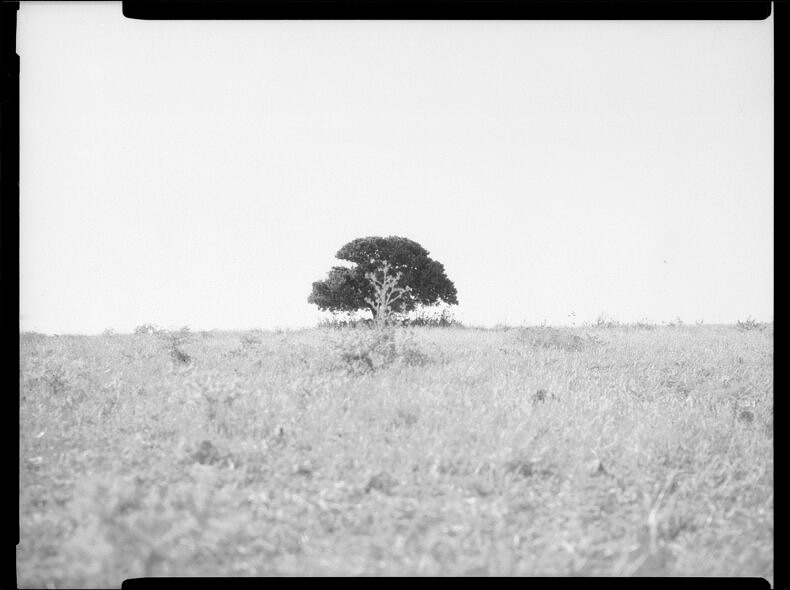
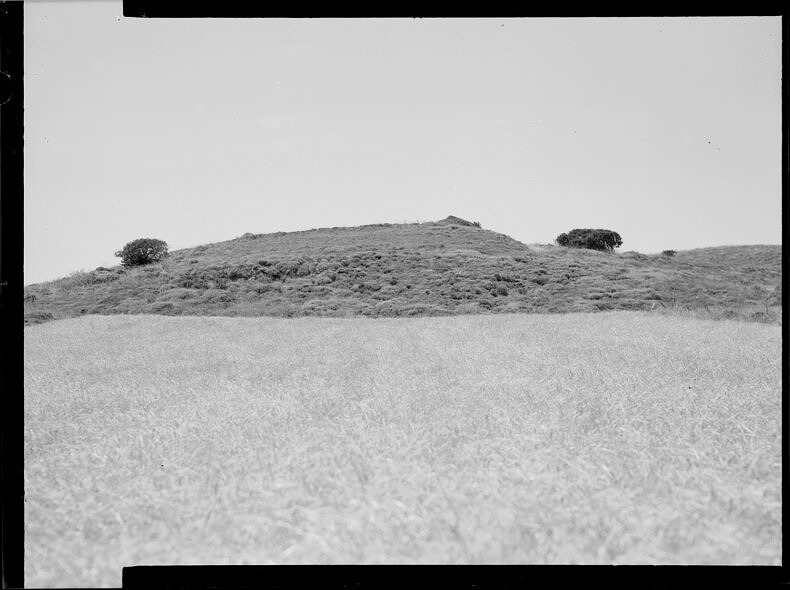
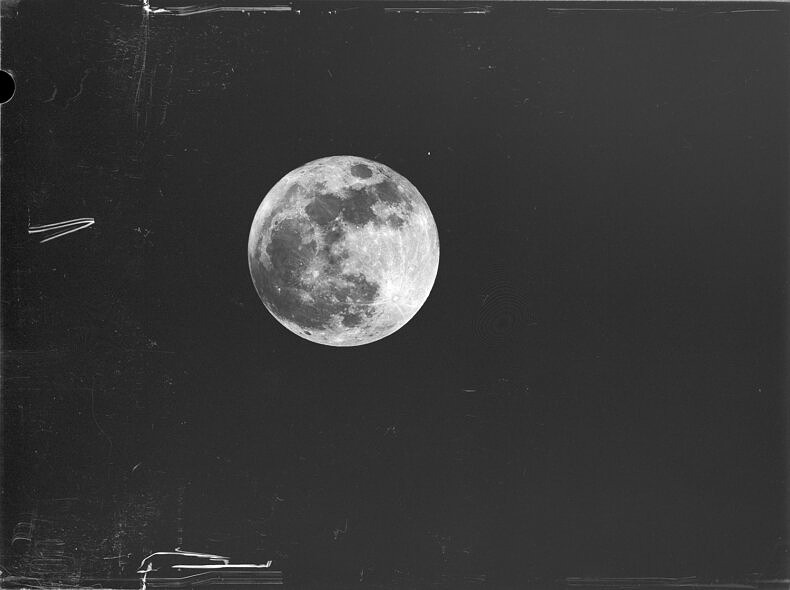
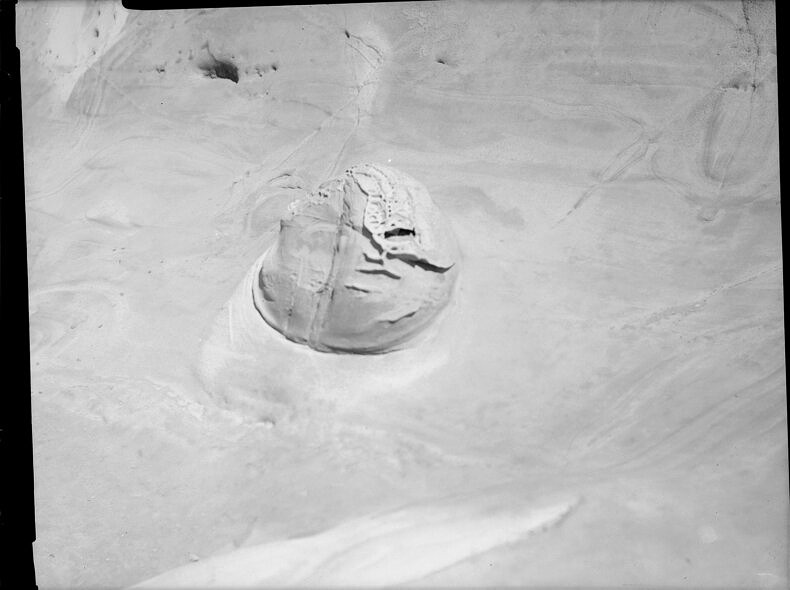
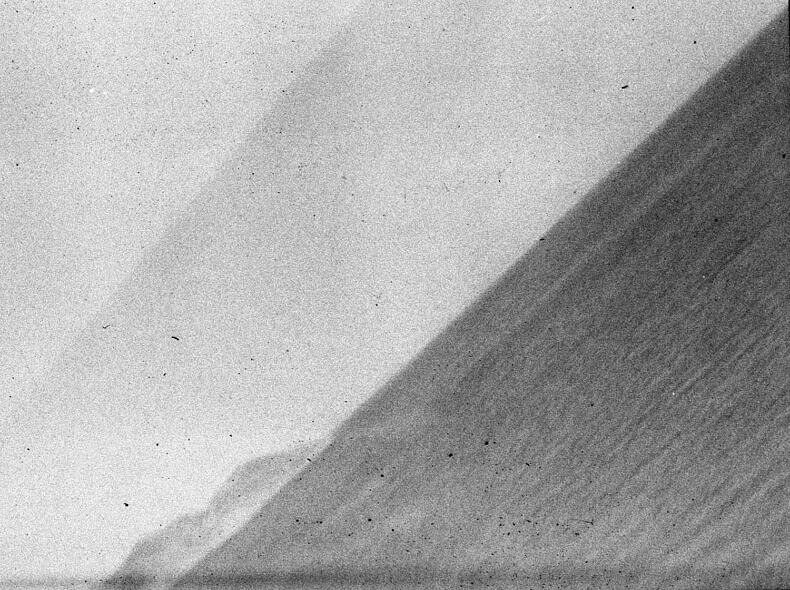
Aziza is a girl who lives in the future. It’s unclear exactly when, and it’s not clear where either. As her name suggests, she might be from Palestine or Lebanon. Before she was born, a catastrophe happened. It divided time into the old world and the new.
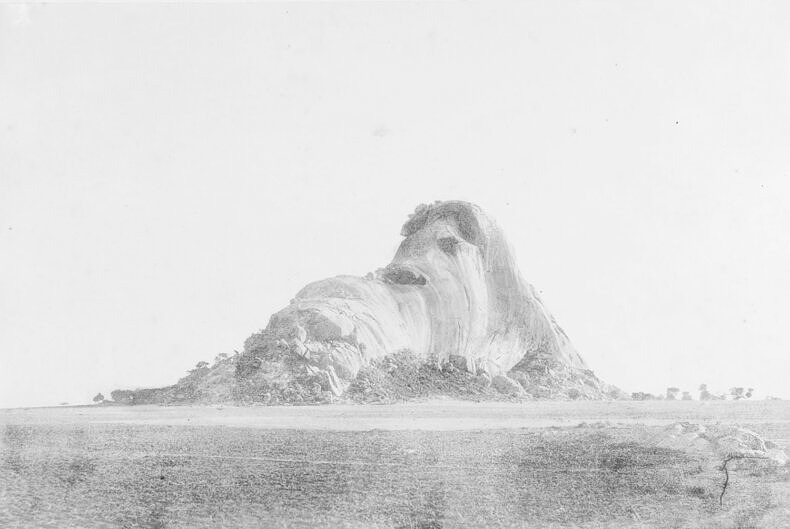
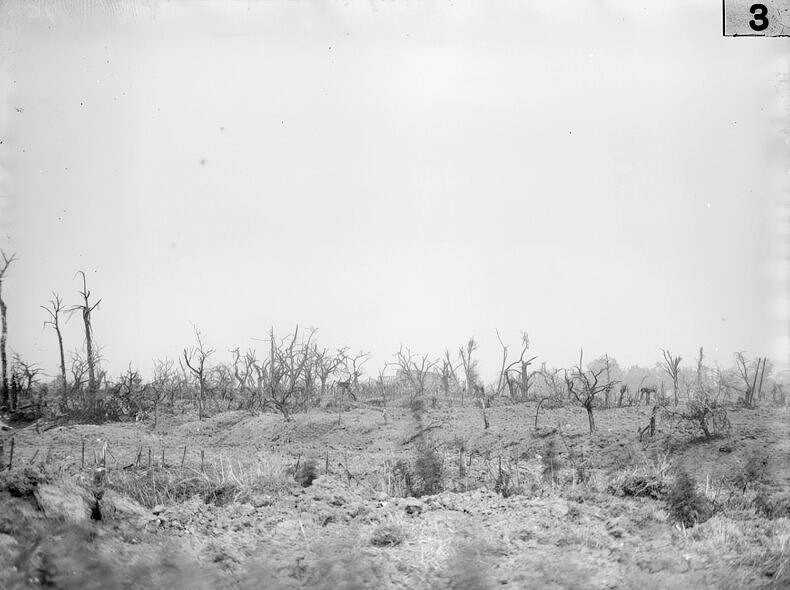
What we know about her comes from a box of photographs – some she took herself, others she found and somehow managed to send back to us, into our time. From these fragments, we understand that Aziza is trying to see, from her distance, the old world: how it functioned, how people lived, what they believed in. She studies old photographs, manuals, and newspapers, piecing together the remnants of meaning.
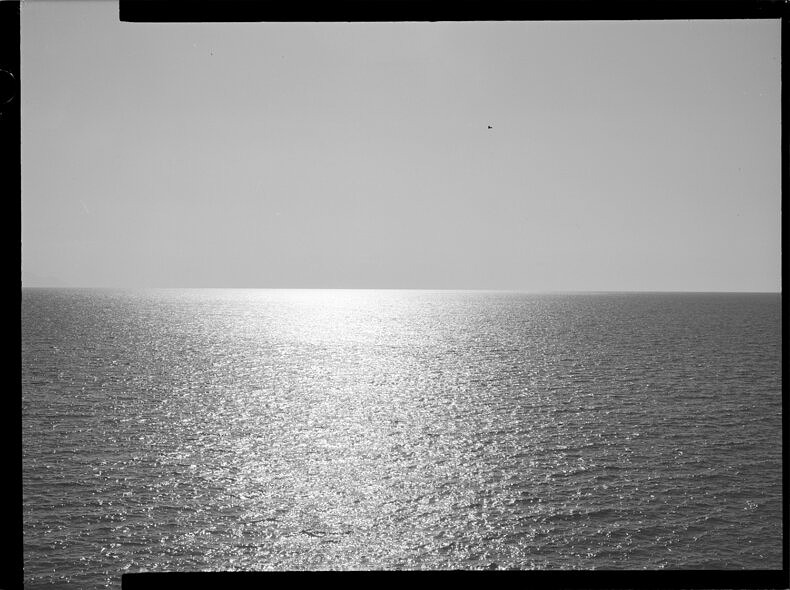
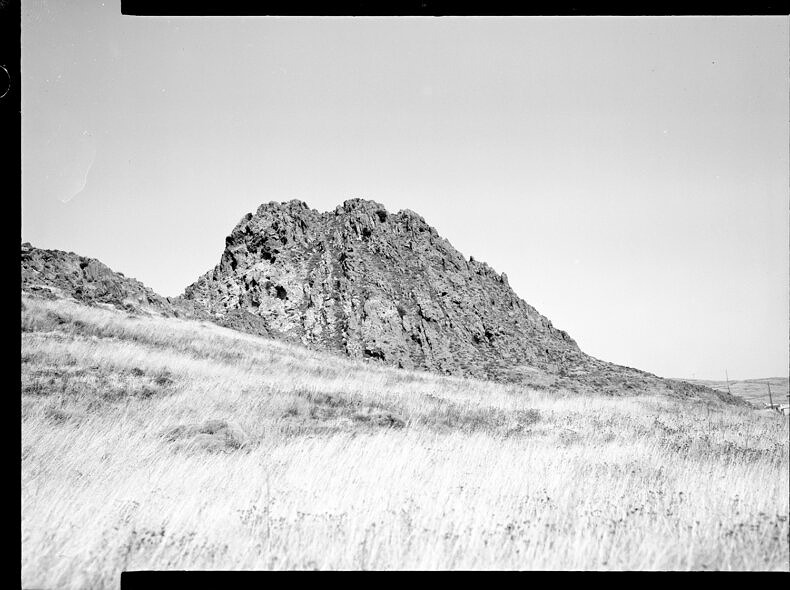
Aziza finds an old analogue camera – a Speed Graphic – possibly from a distant war. Through it, she learns to see. She uses the camera not just to record, but to understand. The landscapes she photographs – the images she makes of her present – look distant, as if they come from the past or the future, like whispers; you need a lot of effort to see them. She believes that by looking at her world through this relic from the past, she goes back to the same place she is currently missing.
She finds herself in our place. She hopes that by looking through the ground glass, she might discover how to tell meaningful stories again. What she’s found so far is that trying things, playing, and experimenting are means for survival.
Aziza is trying to reconnect the broken line between past and future. She looks back in order to move forward. Yet, as she studies the traces of the old world, she becomes confused: things do not seem logical. Their logic feels lost – or perhaps it was never what it appeared to be.
Edited by Yannis Stournas
All images ©Aziza