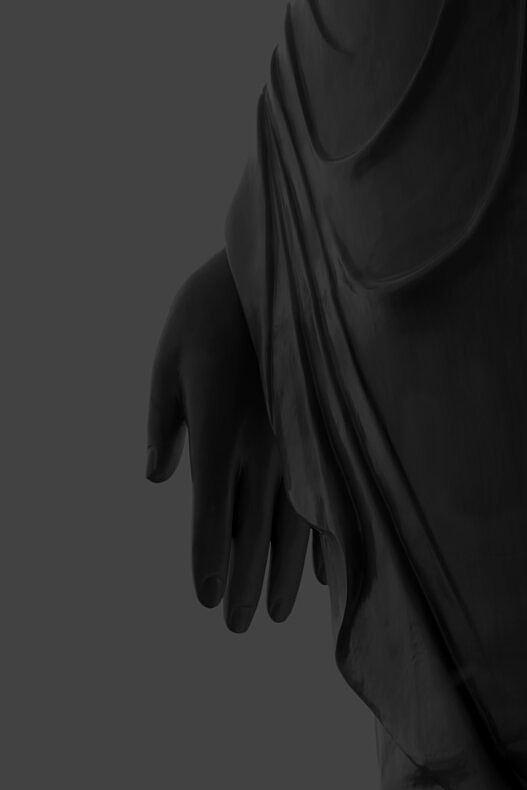
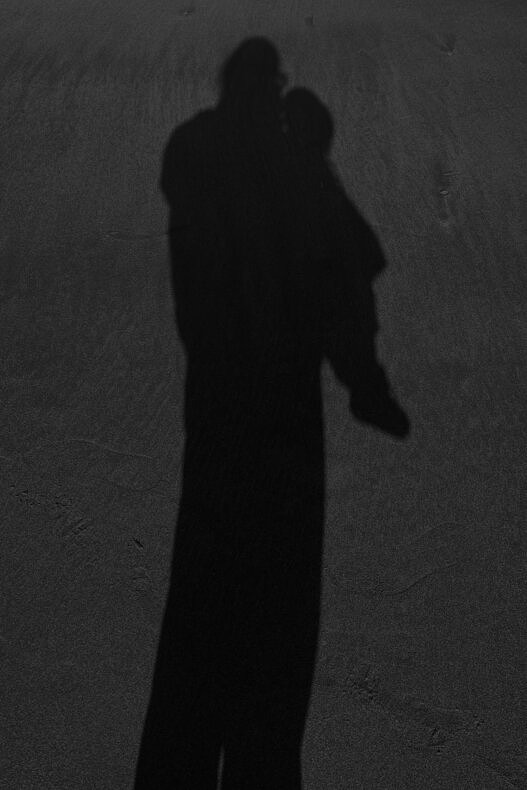

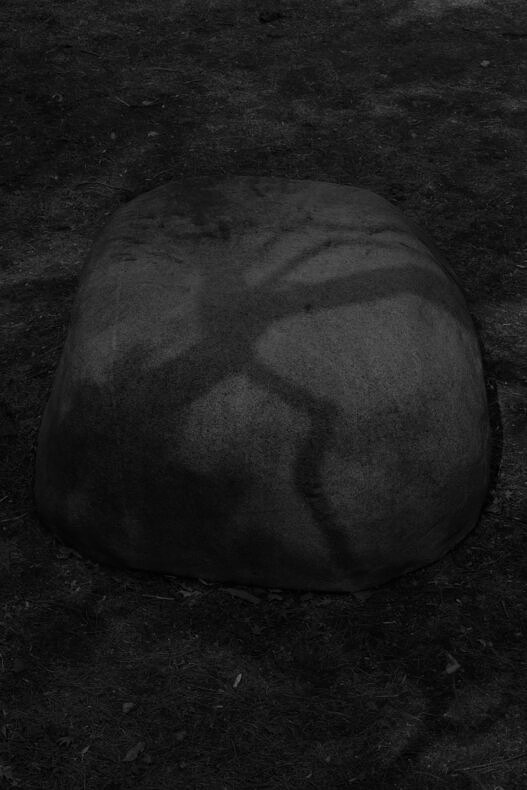
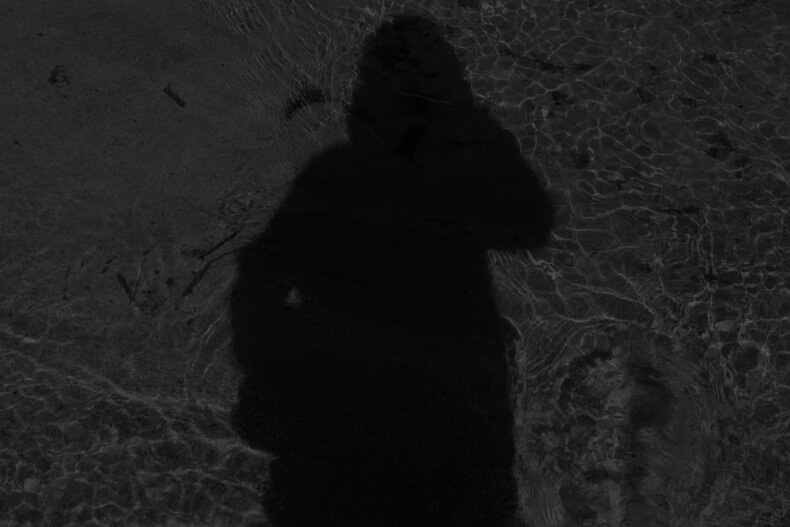
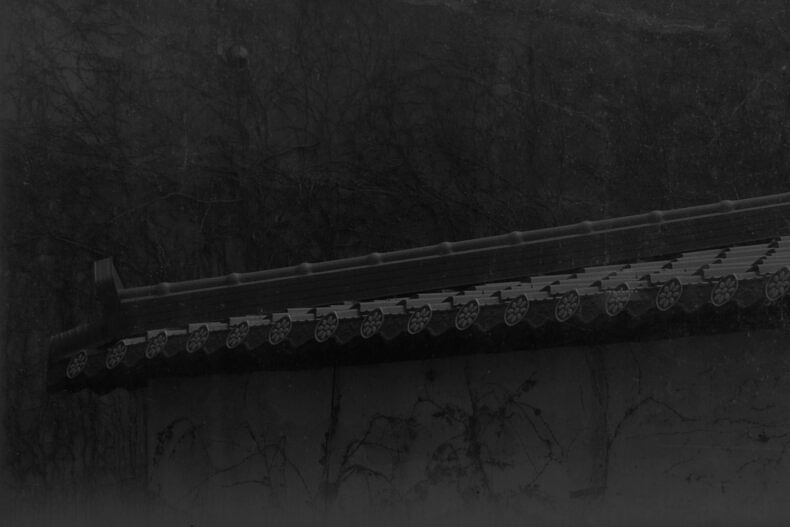
For “North of The Fortress, South of The Forest” Aram Tanis worked in an area in Seoul named Seongbuk-gu, which translates into English “North of The Fortress”. His biological mother lived there when she was pregnant of him.
“Today I received the news you are found. They send you three letters, but they remain unanswered.
I don’t know how giving up a child lives on in you physically and mentally. Maybe in the beginning you feel pain, numb, try to feel nothing at all. At a certain point emotions soften, become less sharp and somewhat blurry. This moment in your life becomes just a like second in a minute, then an hour, a year and eventually a decade. Something that can even be forgotten. It maybe pops up every now and then, but it can also be tugged away quicker and more smoothly over time. I think almost every painful experience eventually looses its original impact and becomes tolerable. Maybe for you I have reach the status of tolerable and somewhat uneventful.”
Aram Tanis was born in Seoul, but spent his formative years in The Netherlands, where he lived in a predominantly white neighborhood and attended schools that lacked diversity. As a person of Asian descent, he stood out among his parents, relatives, peers, and the media figures he saw on television. Consequently, he has always been acutely aware of his distinctiveness.
For Aram Tanis this notion of ‘Feeling at Home’ has always been a complicated one. For him home is connected with his identity. As a child he always wanted to look white. Over time it has become clearer what it means to be Korean to Aram Tanis and as he feels more at home in his own skin he also feels more at home in South Korea. Now that he has become a father himself his Korean identity plays an even bigger role in his personal and work life.
All images ©Aram Tanis